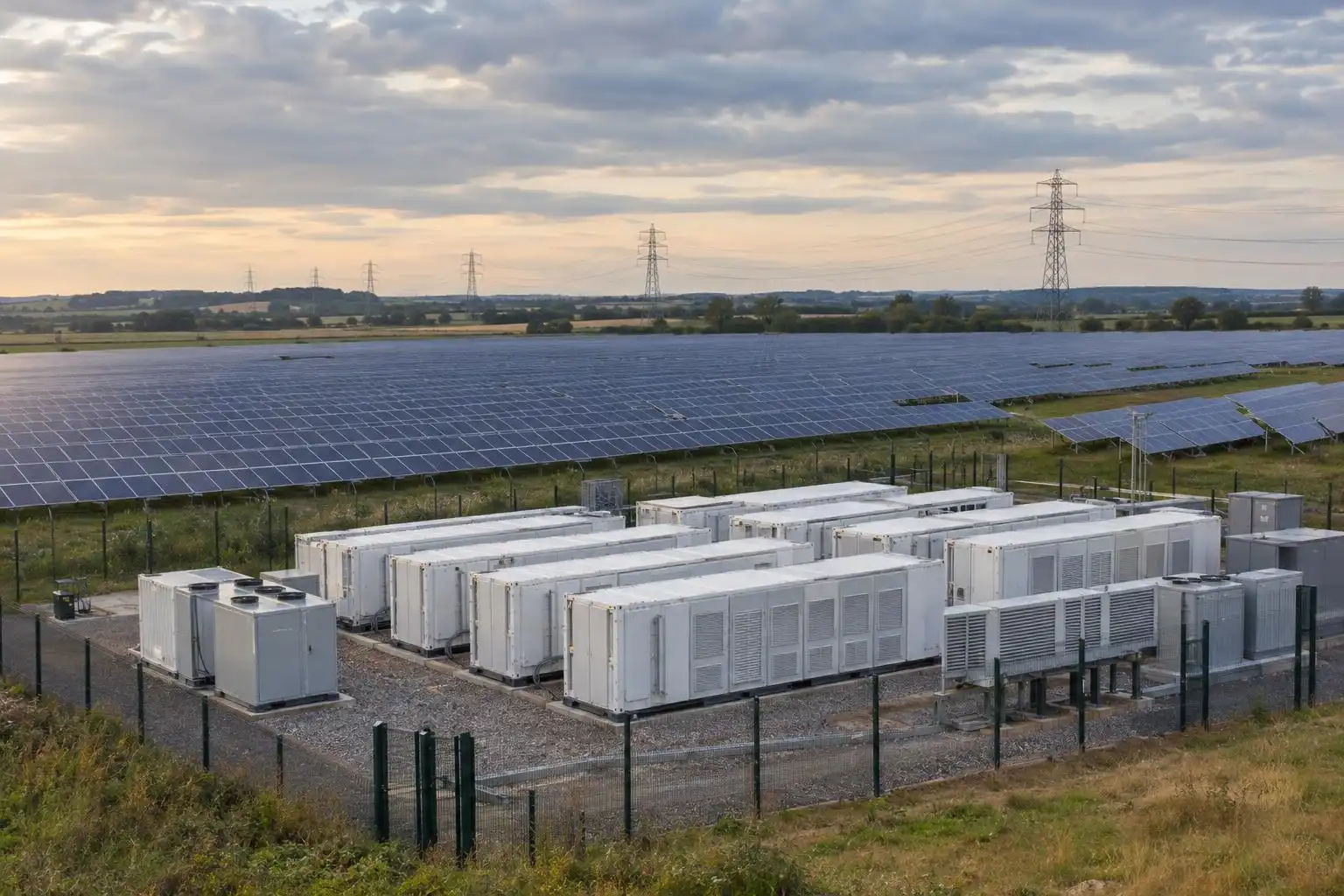

A strong summer is not a finished transition
The U.S. power system passed a revealing test this summer. Electricity demand rose under the combined pressure of heat, air-conditioning and data centers, yet fossil-fuel generation increased by less than 1%, according to a Reuters analysis. Renewables supplied much of the additional electricity consumed in major power markets.[8]
That is evidence of real deployment, not proof that the system can repeat the result under every weather pattern. Annual generation tells us how much electricity a resource produced; reliability depends on whether usable power reaches a particular place at a particular hour. The next build-out test is therefore not simply how many solar panels and wind turbines are installed. It is whether grids, storage and operating practices can make their output useful when demand is tight.
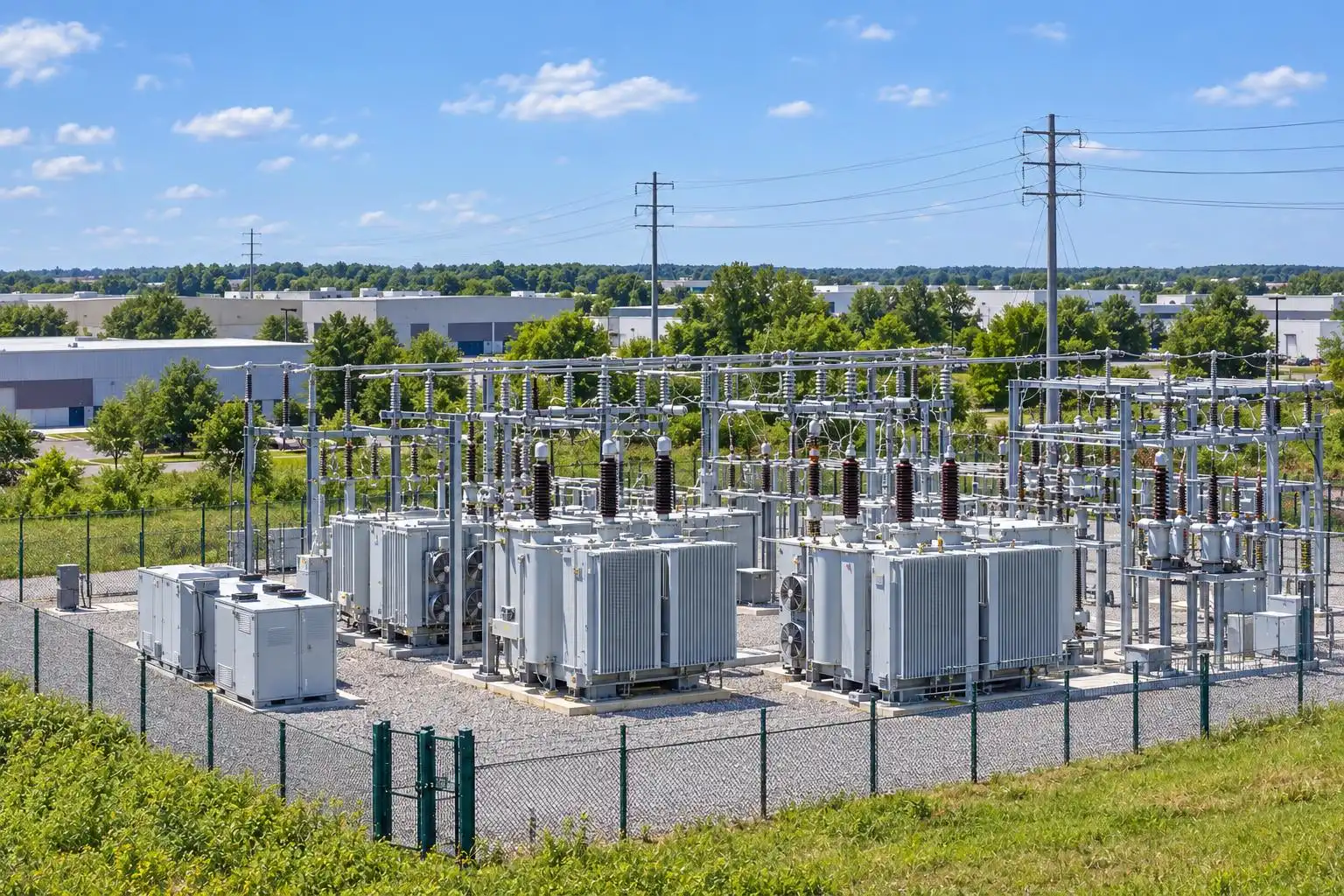
Solar is cheaper to buy; integration is harder to build
A September Reuters analysis described investment attention shifting toward batteries and grid equipment. It also noted that the monthly value of global imports of China-made photovoltaic systems averaged $2.7 billion so far in 2026, down from a peak above $5.8 billion in March 2023.[1] That dollar comparison is not a count of panels installed: prices affect import values, and imports are not the same as completed projects.
Nor is generation build-out complete. A report covered by Reuters estimates that renewable installations need to average roughly 1,200 GW annually through 2030 to meet the global tripling pledge—more than twice the recent annual pace, despite a record year in 2025. It puts required grid investment at nearly $1 trillion a year on average from 2026 through 2030, versus $525 billion in 2025.[4]
These are linked requirements, not competing priorities. Adding generation without enough grid capacity can leave projects waiting to connect or force operators to curtail output. Building grid capacity without the promised generation will not deliver clean electricity, either. The useful metric is not equipment ordered; it is power connected and delivered.
Batteries are earning their place at the tightest hours
Storage is already doing more than improving a project’s financial model. An RMI analysis cited by Utility Dive found that grid batteries supplied 6% to 9% of generation during ERCOT’s tightest hours in 2025. In California, 3.4 GW of batteries met 6% of electricity needs at the peak of a record-breaking 2024 heat wave, according to an analysis cited by RMI.[2]
Those are contributions during defined high-stress periods, not round-the-clock shares. Batteries shift electricity rather than produce it, so their value depends on their duration, state of charge and ability to recharge before the next difficult period. Likewise, RMI’s cited forecast of 30% annual battery-deployment growth over five years is a projection based on a 2024 outlook, not a measured growth rate that can safely be extended unchanged.[2]
A planned project at a former West Virginia coal mine shows what developers are trying to assemble: 86 MW of solar, 70 MW/280 MWh of lithium-ion storage and 10 MW/100 MWh of zinc-based storage. Google has agreed to purchase its energy, capacity and clean-energy attributes to help match regional data-center demand throughout the day.[6] The two battery specifications imply different discharge durations at rated output—four hours and ten hours. The project remains a plan, however, not evidence that this combination is already serving that load.
The distribution grid is part of the calculation
Integration also happens closer to customers. A California study commissioned by the Coalition for Community Solar Access identified room on substations owned by the state’s three large investor-owned utilities for 3,112 solar-and-storage installations rated at 5 MW each. Its broader finding was that front-of-meter solar and storage could serve approximately 17.5 GW of summer peak load on those distribution systems by 2032.[3]
That is a modeled opportunity, not capacity already installed or a guarantee of performance during a statewide peak. Site selection, interconnection and battery dispatch still matter. The distinction is important because a local substation can be constrained even when a regional generation forecast looks ample.
Microgrids present a similar operational challenge. They could help manage peaks and voltage during normal service, rather than sitting idle until an outage, but utility practitioners say varied equipment and controls make interconnection difficult to standardize.[7] A resource becomes part of the grid’s dependable supply only when operators can plan for it and use it routinely.
Watch what utilities commit to build
Demand growth can also change the generation mix utilities choose. Ameren Missouri’s new 20-year plan calls for 10.6 GW of gas additions alongside 3.6 GW of solar, 1.5 GW of wind, 2.4 GW of storage and 1.2 GW of new nuclear capacity. The utility says large new loads will increase its base customer deliveries by 60% between 2027 and 2030; its plan would move gas from about 5% of its current resource mix to 60% by 2045 while eliminating coal.[5]
A filed plan is not a completed fleet, and a utility’s resource mix is not the same thing as its annual generation or emissions. Still, the proposed scale of gas construction makes the stakes clear. Strong renewable output in one summer does not, by itself, determine what utilities will build to serve fast-growing loads for decades.
The transition now needs two scorecards. One tracks annual clean generation and emissions. The other tracks connection dates, grid investment, storage performance at stressed hours and the resources selected in utility plans. This summer’s results show that renewables can carry substantial additional demand. Whether they keep doing so—and displace fossil generation rather than merely accompany load growth—will depend on the less photogenic work of integration.
References
- COMMENTARY: The global energy transition shifts from generation to integration — https://www.reuters.com/commentary/reuters-open-interest/global-energy-transition-shifts-generation-integration-2026-09-23/
- Lower energy costs, community benefits drive 30% battery growth rate: RMI — https://www.utilitydive.com/news/lower-energy-costs-community-benefits-drive-30-battery-growth-rate-rmi/831039/
- Front-of-meter solar, storage could serve 32% of California’s 2032 peak load: study — https://www.utilitydive.com/news/front-of-meter-solar-storage-could-serve-32-of-californias-2032-peak-loa/829935/
- Global renewable deployment must double to hit 2030 climate target, report says — https://www.reuters.com/sustainability/cop/global-renewable-deployment-must-double-hit-2030-climate-target-report-says-2026-09-21/
- Ameren Missouri files 20-year plan with 10.6 GW of gas additions — https://www.utilitydive.com/news/ameren-missouri-files-20-year-plan-with-106-gw-gas-additions/831758/
- Google backs solar-storage project at former West Virginia coal mine — https://www.utilitydive.com/news/google-backs-solar-storage-project-at-former-west-virginia-coal-mine/829812/
- Microgrid panel highlights push to move beyond pilots and into everyday grid operations — https://www.utilitydive.com/news/microgrid-pnm-epri-data-center/831153/
- COMMENTARY: Renewables help US power system survive summer stress test — https://www.reuters.com/commentary/reuters-open-interest/renewables-help-us-power-system-survive-summer-stress-test-2026-10-06/


Leave a Reply